How to Make Every Recipe Turn Out Perfectly Every Time

Updated: Aug 17
Cooking at home is a joy, but sometimes recipes don’t turn out quite as expected. You follow the steps, but the texture, taste, or appearance feels off. I’ve been there too. The good news is, with a few simple tricks, you can make sure every recipe you try turns out just right. It’s all about precision, technique, and a little bit of patience.
Let’s explore some easy ways to improve your cooking results, from measuring ingredients accurately to understanding how small changes can make a big difference. These tips will help you feel confident in the kitchen and enjoy delicious meals every time.
Some links in this post are affiliate product links, meaning I get a small commission from your purchase with no extra cost to you.

Using a kitchen scale helps you measure ingredients precisely for better baking results.
Why Accurate Measuring Matters More Than You Think
When you’re cooking or baking, the amount of each ingredient can change the outcome dramatically. For example, too much flour can make baked goods dry and dense, while too little can make them fall apart. Measuring by volume (cups and spoons) is common, but it can be unreliable because ingredients like flour can settle or pack differently.
Weighing ingredients with a kitchen scale is the best way to get consistent results. A scale gives you the exact amount every time, no matter how fluffy or packed the ingredient is.
If you don’t have a scale yet, I recommend getting one. It’s a small investment that makes a huge difference. For example, the Ozeri Pronto Digital Kitchen Scale is affordable, easy to use, and perfect for home cooks.
How to Measure Flour Correctly Without a Scale
If you don’t have a kitchen scale, don’t worry. There’s a simple trick to measure flour more accurately using just a spoon and a measuring cup.
Instead of scooping flour directly with the cup, which can pack it down and add too much, use a spoon to fluff the flour in the container. Then, gently spoon the flour into your measuring cup until it’s heaping full. Finally, level it off with the back of a knife.
This method prevents packing and gives you a lighter, more accurate amount of flour. It’s a small step that can improve your baking results significantly.
Use the Right Tools for the Job
Having the right kitchen tools makes cooking easier and more precise. Here are a few essentials that help ensure your recipes turn out perfectly:
Kitchen scale: For weighing ingredients like flour, sugar, and butter.
Measuring spoons and cups: For liquids and small amounts of dry ingredients.
Mixing bowls: Different sizes for combining ingredients comfortably.
Using these tools correctly helps you follow recipes exactly and avoid guesswork.
Follow the Recipe Steps Closely but Stay Flexible
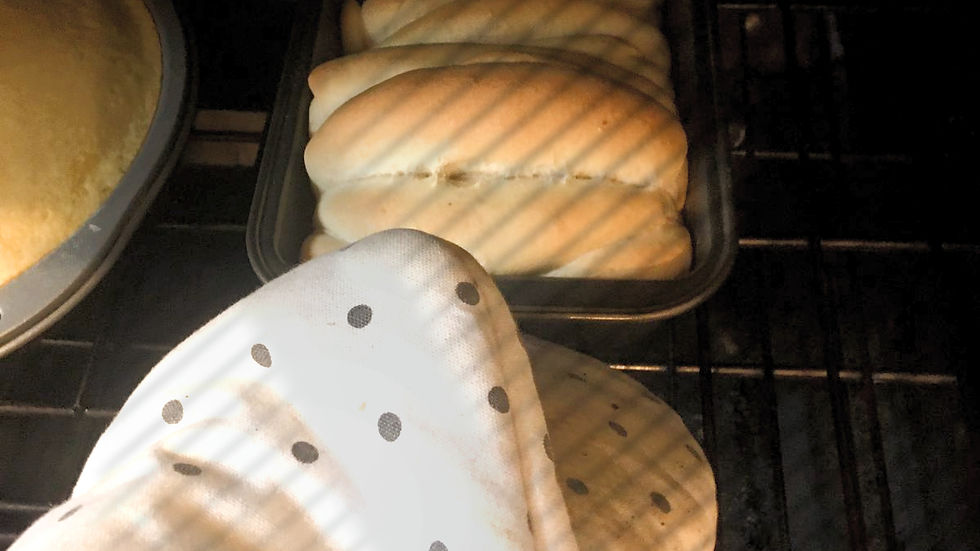
Recipes are guides, but sometimes small adjustments are needed based on your kitchen environment or ingredients. For example, humidity can affect how much flour you need, or your oven might run hotter or cooler than the recipe suggests.
Here’s how to stay on track while adapting:
Read the entire recipe before starting.
Prepare all ingredients and tools ahead of time.
Follow the order of steps carefully.
Watch for visual and texture cues, like dough consistency or batter thickness.
Adjust cooking times or temperatures slightly if needed, based on your equipment.
This balance of precision and flexibility helps you get the best results.
Why Ingredient Quality Makes a Difference
Using fresh, high-quality ingredients can elevate your dishes. Fresh herbs, good-quality butter, and ripe produce add flavor and texture that store-bought or old ingredients can’t match.
For example, when baking, fresh baking powder or baking soda ensures proper rising. Using fresh eggs and milk improves taste and texture. It’s worth taking a moment to check your ingredients before starting.
How to Avoid Common Mistakes That Ruin Recipes
Even with perfect measuring, some common mistakes can affect your results. Here are a few to watch out for:
Overmixing batter: This can make cakes and muffins tough. Mix just until ingredients combine.
Not preheating the oven: Always preheat fully before baking.
Using cold ingredients when room temperature is needed: Butter and eggs often work best at room temperature unless stated otherwise.
Ignoring ingredient substitutions: Some swaps change texture or flavor, so use them carefully or search for proper substitutions beforehand.
Being mindful of these helps you avoid surprises.

Preparing ingredients and tools before cooking helps keep the process smooth and accurate.
How I Use These Tips in My Kitchen
I remember the first time I switched to weighing ingredients instead of measuring by cups. My banana bread came out perfectly moist and consistent every time. It felt like a game-changer.
Now, I always spoon flour into my measuring cups if I don’t use the scale. I also keep a digital kitchen scale handy for baking and even for some cooking recipes. It saves me from guessing and makes the process more enjoyable.
If you want to try a reliable kitchen scale, the Ozeri Pronto Digital Kitchen Scale is a great choice. It’s simple, accurate, and affordable.
Make Every Recipe Turn Out Perfectly
Cooking is part science, part art. By focusing on accurate measuring, using the right tools, and paying attention to details, you can make every recipe turn out just as it should.
Remember, practice makes perfect. Each time you cook, you learn a little more about your ingredients and your kitchen. Soon, you’ll feel confident trying new recipes and even creating your own.
If you want more tips and easy recipes to build your skills, check out our recipes! It’s a wonderful resource for home cooks who want to enjoy cooking without stress.
Happy cooking!


Comments